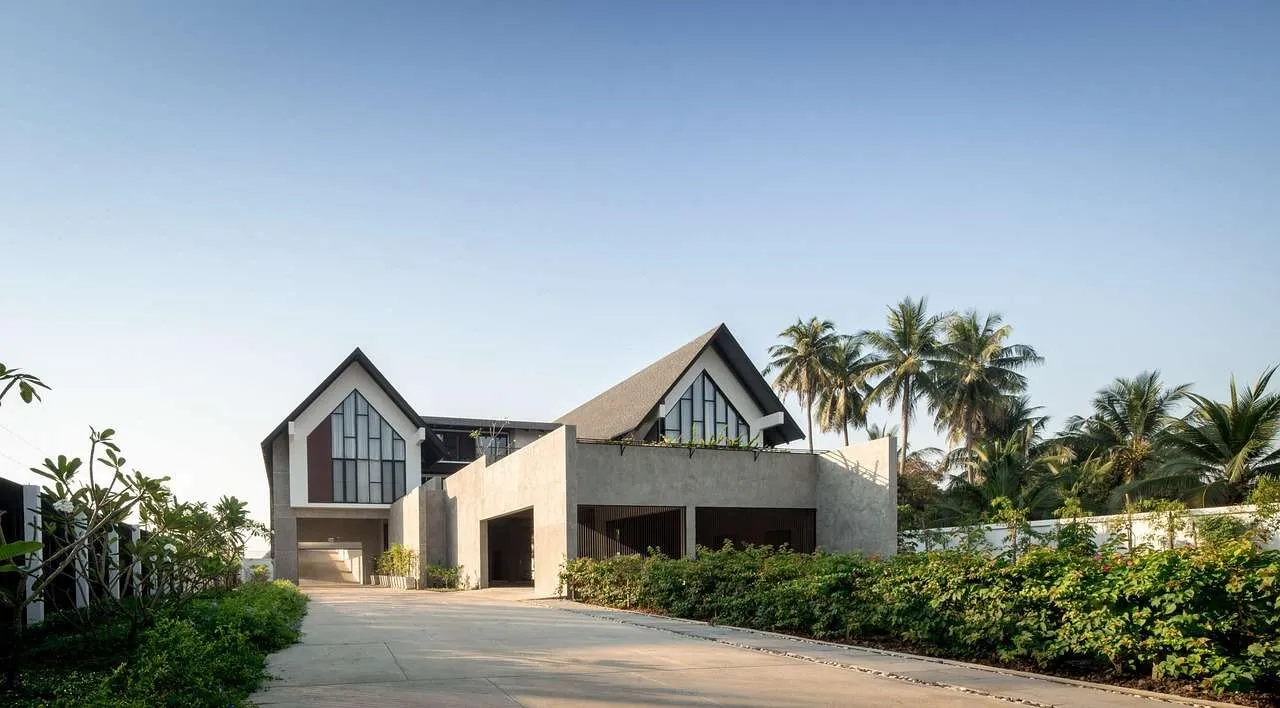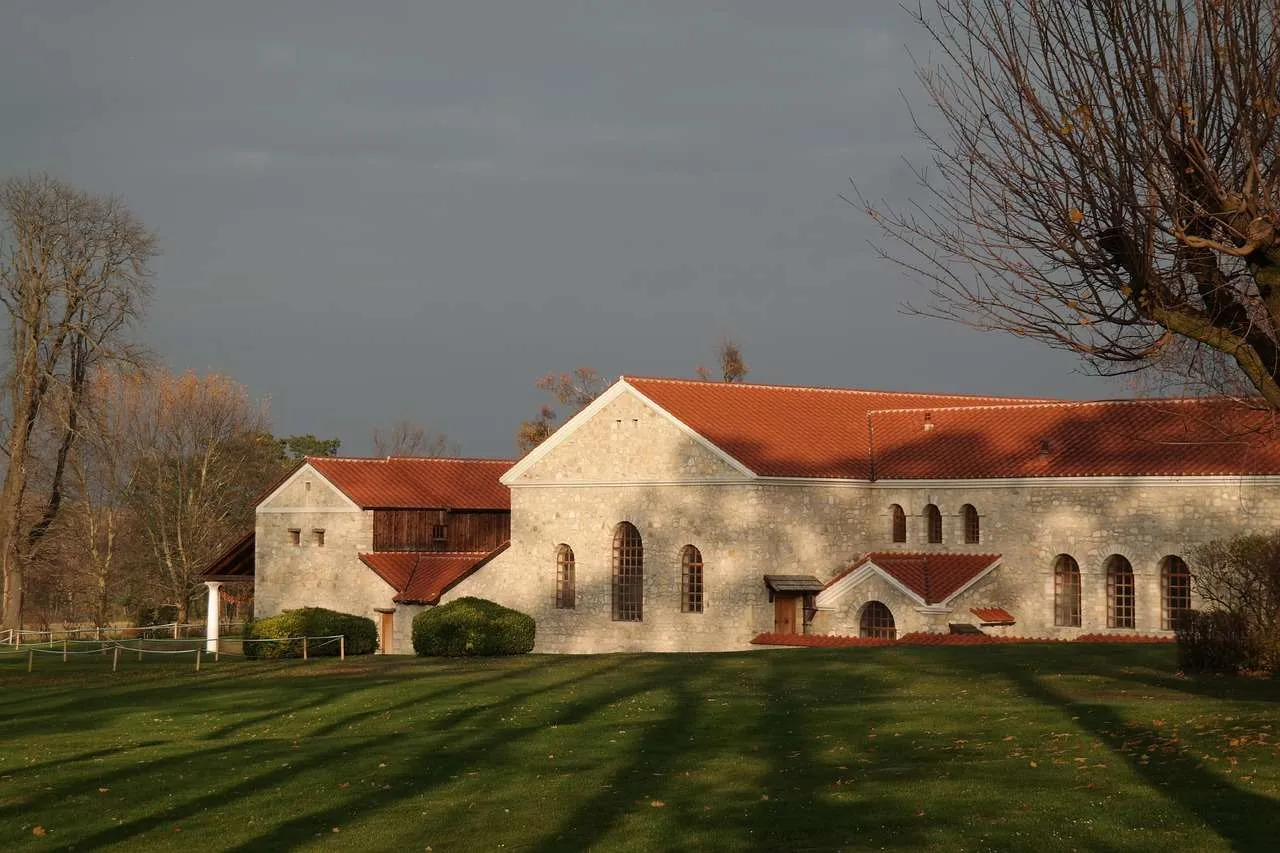
Roofing is the first line of defense against weather. When problems arise, timely roof repairs protect interior spaces and maintain home value. This article explains roofing basics, common problems, how to inspect and decide between repairs or replacement, and how to choose a reputable contractor to ensure EEAT—experience, expertise, authority, and trust.
What is Roofing and Why Roof Repairs Matter
Roofing describes the system that protects a building from the elements. Over time, weather, UV exposure, and foot traffic wear materials. Roof repairs are essential to address leaks, damaged shingles, flashing failures, and ventilation problems. Regular maintenance reduces the likelihood of major failures and extends the life of the roof.
Key Signs You Need Roof Repairs
- Missing, curled, or cracked shingles
- Water stains on ceilings or in the attic
- Granules in gutters or downspouts
- Damaged flashing around chimneys, vents, or skylights
- Ice dams or moisture in walls after rain
- Sagging or unusual roof noises
Inspection and Assessment
A professional roof inspection includes a visual check from ground level and, if safe, a closer look from the roof. Inspectors assess shingle condition, flashing, ventilation, insulation, and signs of moisture. They prepare a written report with recommended repairs, estimated costs, and a projected timeline. For complex issues, infrared moisture scanning or roof certification may be included, especially during real estate transactions.
DIY vs Professional Roof Repairs
Many roof repairs are best left to licensed professionals. Working at height, with potential fall hazards, requires training, safety equipment, and knowledge of local codes. Warranty coverage on materials and labor often depends on professional installation. Temporary fixes such as tarping after a storm can buy time, but proper repairs must restore integrity and protect against leaks.
Cost Considerations and Planning
Costs vary by roof type, material, and extent of damage. Minor repairs such as replacing a small area of shingles or sealing a vent boot might range from a few hundred dollars, while larger repairs involving decking or flashing can reach into the low thousands. Replacement is a larger upfront investment but may offer decades of additional life and improved energy efficiency. Always request a written estimate that itemizes labor, materials, permits, and warranties.
Choosing a Roofing Contractor
To ensure EEAT, verify licensing and insurance, request references, and review past projects. Look for manufacturer certifications (for example, factory-trained installers), proof of insurance, and a thorough written warranty on both materials and labor. Ask about permits, site protection, cleanup, and a clear start-to-finish schedule. A reputable local contractor should provide a detailed contract, transparent pricing, and post-installation inspection to confirm quality.
Maintenance Tips to Extend Roof Life
- Keep gutters clear and free from debris
- Inspect after major storms for damage
- Trim overhanging branches and ensure proper attic ventilation
- Check attic insulation and seal any gaps around vents
- Address small issues promptly to prevent leaks from becoming large repairs
Repair vs Replacement: A Quick Comparison
| Scenario | Recommendation | Typical Cost | Expected Benefit |
|---|---|---|---|
| Minor leak or isolated damaged shingles | Repair | $150–$800 | Restore waterproofing; extends life by several years |
| Widespread damage or aging roof (age under 20 years) | Repair may be temporary; assess scope | $800–$3,500 | Prevents further leaks while planning replacement |
| Roof near end of life (20–25+ years) or with multiple issues | Consider Replacement | $5,000–$15,000 | Long-term durability and energy efficiency |
Conclusion, selecting between repair and replacement depends on roof age, extent of damage, and budget. A well-documented inspection and a trusted contractor make it possible to choose the solution that preserves comfort, safety, and home value.